
Perth’s weather changes noticeably between winter and spring. The cooler, wetter months of June, July, and August gradually give way to warmer and generally drier conditions in September, October, and November.
For homeowners, this seasonal transition is more than a temperature change. Your garage door is exposed to these conditions year-round, and changes in moisture, temperature, sunlight, and dust can gradually affect its materials and mechanical components.
Understanding how Perth’s weather changes between winter and spring can help homeowners know what to look for and when simple inspections may be worth it.
How Rain Can Affect Your Garage Doors
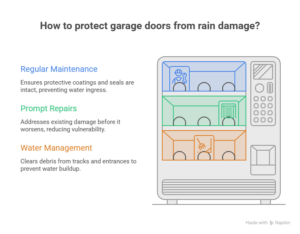
Perth’s core rainy months can typically bring repeated exposure to wet conditions, which can make existing problems more noticeable, particularly on components that are already aged or damaged. After rainy seasons, homeowners may notice some effects on the garage doors, such as rust or corrosion on exposed metals, water entering around the garage entrance, debris collecting around tracks, etc.
A garage door is designed for outdoor exposure; normal rain should not automatically damage it. However, moisture can contribute to deterioration over time, particularly where protective coatings, seals, or other components are damaged.
 What Changes when Spring arrives?
As Perth moves from rain to spring, the garage door is exposed to a different combination of conditions; instead of a prolonged period of rain, homeowners experience greater exposure to direct sunlight, drier air, dust, and debris.
These conditions affect materials differently compared to the winter moisture. A weather seal that has already become aged and brittle may become more noticeable as temperatures rise and the materials are exposed to the stronger sunlight.
How Heat and Sunlight Can Affect the Garage Doors
Garage doors are made from different materials, and each responds differently according to the different environmental conditions. Changes in temperature can cause materials to expand and contract. Repeated exposure to heat and sunlight over many years can contribute to fading or deterioration of certain surfaces. Spring can also bring more dust and debris as the weather becomes drier; dust and dry debris can become more noticeable around the garage entrance.
Problems Faced by Garage Doors in Perth: Rainy VS Spring Weather
|
Rainy Season in Perth |
Spring Season in Perth |
|
Water ingress: Heavy or wind-driven rain can enter through worn seals or gaps around the garage doors. |
UV exposure: Longer periods of sunshine can contribute to fading, discoloration, and deterioration of some exterior finishes. |
|
Rust and Corrosion: Repeated exposure to moisture can contribute to corrosion on exposed metal components. |
Heat exposure: Rising temperatures can cause garage door surfaces and some materials to become significantly warmer. |
|
Drainage problem: Water may pool around the garage entrance if the drainage area becomes blocked with leaves or debris. |
Material expansion: Changes between cooler and warmer conditions can cause some materials to expand and contract. |
|
Dampness: Moisture can remain inside the garage, particularly when ventilation is limited. |
Dryness and brittleness: Previously weathered seals or other materials may become more noticeable as condition becomes more warmer and drier. |
|
Water- related operating issues: Moisture, debris, or deterioration may continue to affect the door’s movement or sounds. |
Heat- related operating changes: Significant temperature changes may make existing alignment or material issues more noticeable. |
Garage Door Maintenance Tips for Perth’s Rainy Seasons
A quick inspection of your garage doors before and after the rainy season makes it easier to spot moisture-related issues. The most important areas to focus on during rainy seasons are water entry, drainage seals, corrosion, and changes in operation. These are directly connected to the condition of garage doors that may be affected during Perth’s wet months.
-
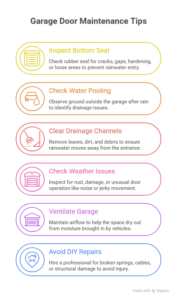
Inspect the Bottom Seal before Heavy Rain
Check the rubber seal along the bottom of the garage doors for cracks, gaps, hardening, or areas that have come loose. A damaged seal can allow rainwater to enter, particularly when rain is driven by strong winds.
-
Check for Water Pooling around the Garage Entrance
After a heavy rainfall, check the ground immediately outside the garage. Persistent pooling can increase moisture exposure around the bottom of the door and may indicate that nearby drainage needs more attention.
-
Keep Drains and Drainage Channels Clear
Leaves, dirt, and garden debris can accumulate during Perth’s wetter months. Cleaning accessible points helps rainwater move away from the garage rather than collecting around the entrance.
-
Check for Weather-Related Issues
After heavy rain or strong winds, inspect the garage doors for rust, visible damage, displaced seals, or misalignment. Also pay attention to unusual operations such as increased noise, jerky movements, or slow or uneven movement, as these may indicate that a component needs attention.
-
Keep the Garage Dry and Ventilated
Rainy weather can increase moisture inside the garage. Adequate airflow can help the space dry out, particularly when wet vehicles, footwear, and other damp items are regularly brought inside.
-
Avoid DIY Repairs
Springs and Cables can store substantial mechanical energy. If you notice a broken spring, damaged cable, a door that has gone off its tracks, or significant structural damage, avoid attempting a DIY repair; instead, hire a professional garage door repair service to avoid further problems or damage.
Garage Door Maintenance Tips for Perth’s Spring Season
As Perth moves from wetter winter conditions to warmer, sunnier spring weather, garage doors are now exposed to a different set of environmental conditions. Increased sunlight, rising temperatures, dust, and changing weather can affect the door’s exterior seals and moving components.
-
Check Seals and Operations
Inspect the bottom and top seals for cracks, brittleness, or gaps, as seasonal changes in moisture, temperature, and sunlight can affect their condition. Then open and close the garage door for unusual sounds, jerky movements, delays, or uneven operation. These changes indicate that the door or one of its components needs attention.
-
Check for Weather Damage
Inspect the garage door for rust, corrosion, damaged panels, displaced seals, fading, discoloration, peeling finishes, or surface deterioration. Rain, strong wind, temperature changes, and increased sunlight can all contribute to these issues over time.
-
Watch for Heat and UV Exposure
Spring brings longer periods of sunshine and increased exposure to UV radiation. Direct sunlight can gradually cause fading, discoloration, or deterioration of some garage door finishes and seals. Inspect areas that receive regular sunlight for color changes, cracking, or other visible signs of weathering.
-
Check Garage Door Balance
A garage door should remain reasonably balanced when operated. If it feels unusually heavy, drops quickly, or doesn’t stay in position as expected. It may indicate an issue with the door’s spring or counterbalance system. Avoid adjusting these components yourself and have the system checked if you notice a significant change.
What can Perth Homeowners do?
Preparing a garage door for seasonal change doesn’t have to involve complicated maintenance. The most useful step is to carry out a simple visual check. These simple checks can help you identify weather-related problems. Here are some points of what you should look at after winter:
-
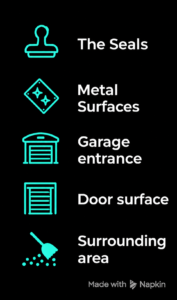
The Seals:Check for cracks, hardening, gaps, and deterioration.
-
Metal Surfaces:Look for visible rust and corrosion.
-
The garage entrance:Check for water marks, dampness, or signs of water entry.
-
The door surface:Look for changes caused by prolonged exposure to moisture and sunlight.
-
The surrounding area:Clear away leaves, dirt, and other debris that have accumulated during the winter.
Conclusion
Perth’s transition from wetter winter conditions to warmer and sunnier spring can affect garage doors in different ways. During the rainy seasons, the moisture, water ingress, drainage issues, corrosion and wind-driven rain are the main concerns. As spring arrives, greater exposure to sunlight, UV radiation, heat, dust, and changing temperatures can create a different set of challenges.
For homeowners, seasonal maintenance does not have to involve complicated procedures. A simple inspection of the seals, metal components, door surface, garage entrance, and surrounding areas can help identify signs of weather-related issues. Paying attention to changes in the way the garage door looks, sounds, or operates can also help highlight issues that may need further attention.
Understanding the seasonal differences can help Perth homeowners respond appropriately to changing weather conditions and recognize potential problems earlier. If you would like more information about weather-related seasonal garage door maintenance, you may please visit the relevant section.
Frequently Asked Questions
-
Why is a Garage Door Seal important during Perth’s Rainy Seasons?
The seal helps limit water, dust, and outdoor air from entering around the garage door. Cracked, hardening, or damaged seals may provide less protection against rain, particularly during windy weather.
-
How often should I inspect my garage door?
No single inspection schedule suits every garage door. However, checking it before and after periods of significant weather, as well as during seasonal changes, can help homeowners notice developing problems.
-
Should I repair garage door springs or cables myself?
No, springs and cables can be under substantial tension and may cause serious injuries if handled incorrectly. An appropriately qualified professional should assess damaged or malfunctioning components.